Our Montessori Bookshelf: Mathematical Thinking
Meagan Ledendecker • January 30, 2023

As humans, we are predisposed toward order, exactness, and precision. With this tendency to abstract and imagine, we could be said to have a mathematical mind. Children, young and old alike, are drawn to numbers and mathematical ideas. 


For thousands of years, math has been a part of the human search for meaning. We have long tried to quantify our natural world. From carbon dating artifacts to analyzing voting trends in politics, from understanding traffic patterns to examining climate change, math continues to be an integral part of our search for understanding.


Learning to think in mathematical terms is an essential part of becoming a person adapted to our time and place. Math is such an integral part of our lives and we feel that it’s vital to ensure our children are not only in touch with mathematics but also captured by the beauty and wonder of math in our world. 


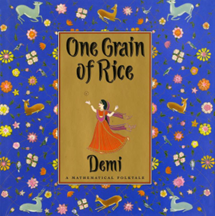
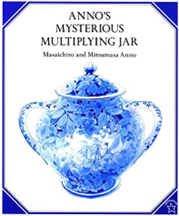
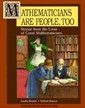
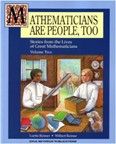
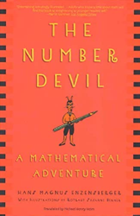
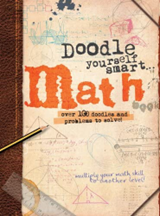
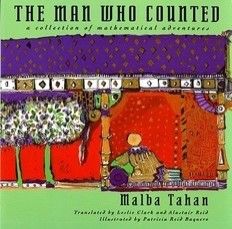
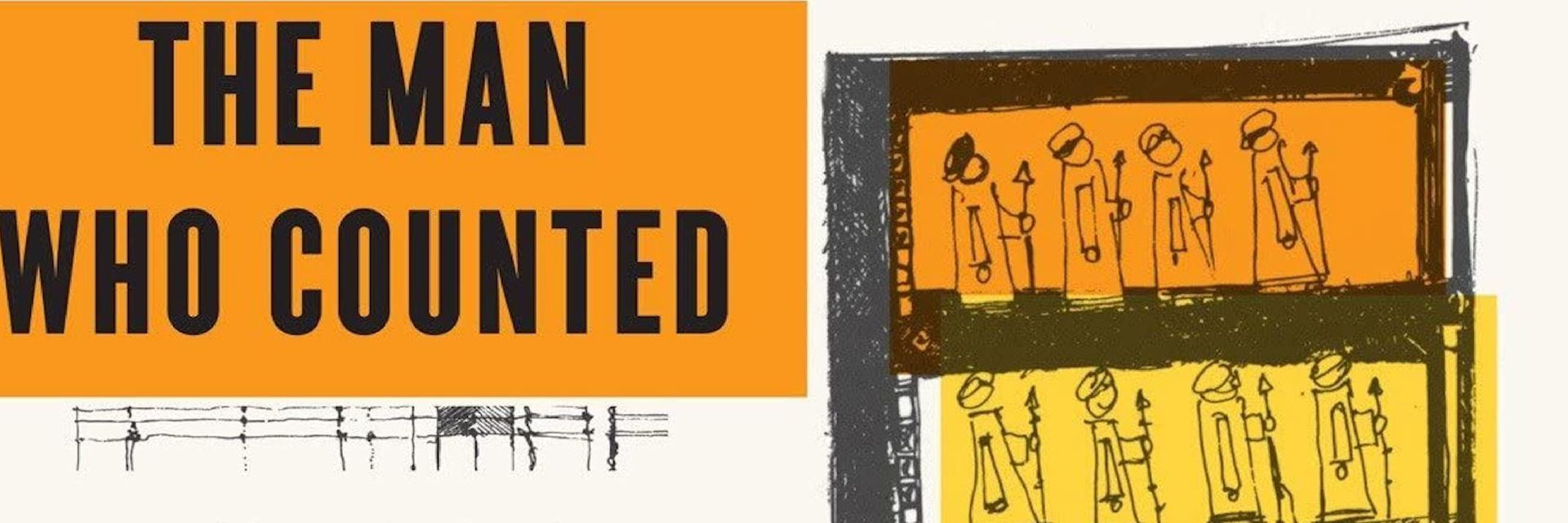
With this in mind, we pulled some of our favorite books that promote mathematical thinking for young children through early adolescence. 
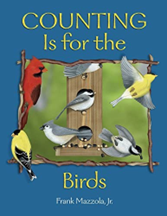
Counting Is for the Birds

by Frank Mazzola Jr.


Written in rhyme, this picture book can be used in different ways with young children. Some may just enjoy the story and illustrations, others can clue into the counting aspect of the book, and older children might explore the ornithological details provided on each page. This is the kind of book that you can revisit again and again with your children!
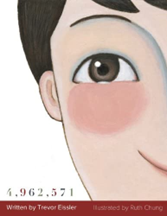
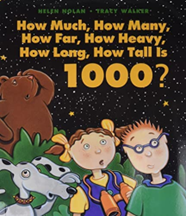
Click here for a downloadable PDF of this booklist! As always you are also welcome to come visit the school and see how we support mathematical thinking for all ages.
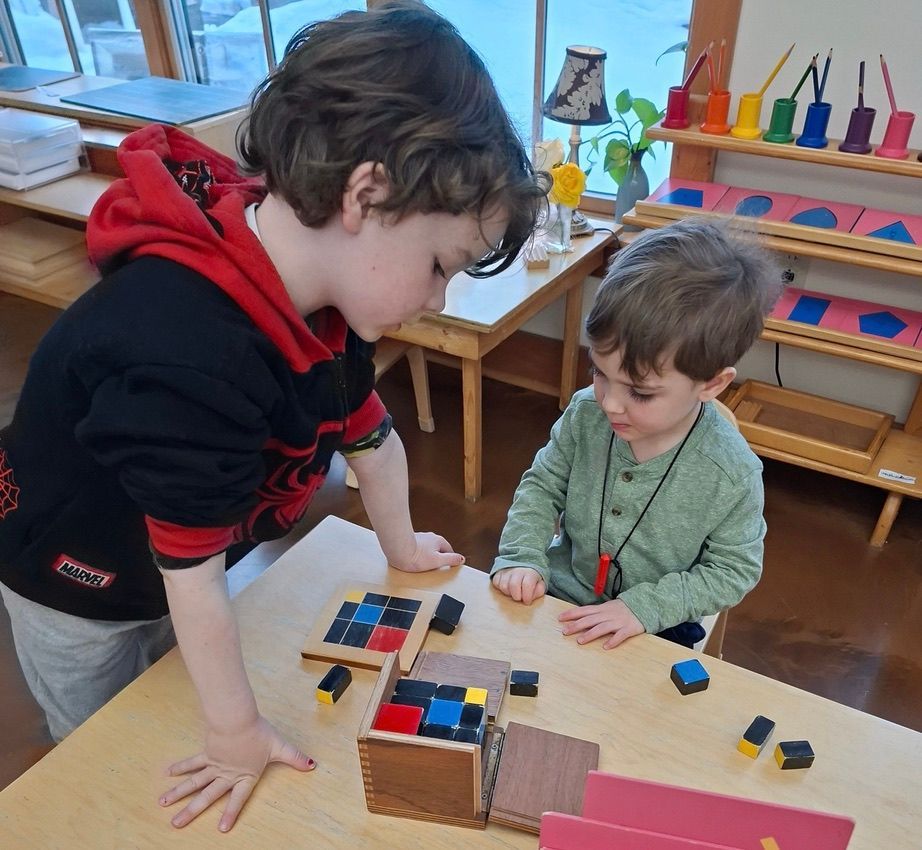
image of a preschool aged child on a carpet with the geometric prism lesson
By Meagan Ledendecker April 3, 2026
Explore the Montessori three-period lesson and how its quiet simplicity unites words and meaning during a child’s sensitive period for language.
Image of a guide crouching near the floor with a child using a dustpan and brush
By Meagan Ledendecker April 3, 2026
When we lose our cool, repair matters most. Explore accountability, curiosity, and connection to break reactive cycles and parent with intention.
By Meagan Ledendecker March 30, 2026
Rivers are so important to our human story. They are sources of nourishment, transportation, and connection. We see how children are naturally drawn to water, and rivers offer a powerful way to understand ecology, interdependence, and our place within the natural world. With this in mind, we want to share some of our favorite books about water, rivers, and watersheds. Through story and illustration, children can trace the journey of a single drop of water, observe how land and water shape one another, and begin to understand how human choices affect the health of our planet. We’ve grouped the following collection of river and water-focused books by developmental stage. Each title offers language, beauty, and meaningful context for deeper exploration. Whether you are reading with a toddler, a younger elementary child, or an emerging researcher, these books invite wonder, responsibility, and reverence for one of Earth’s most essential elements. For the Youngest
Image of an elementary child sitting on the floor with the Racks and Tubes math material
By Meagan Ledendecker March 23, 2026
In Montessori classrooms, long division unfolds very differently, giving children a real sense of why it works instead of the confusing sequence of steps to memorize and repeat that many of us remember. Learn more in this post.
Image of a toddler sitting at a table with arms raised in celebration while a smiling adult looks on
By Megan Ledendecker March 16, 2026
For children in the first three years of life, adults are not simply caregivers or teachers. We are models of movement, language, emotional regulation, and relationships. Learn more in this post.
Close up image of a child's hands holding a small green square card printed with the word
By Meagan Ledendecker March 9, 2026
In this blog post, learn more about how Montessori classrooms help children bring to consciousness language they already use every day by learning about how language functions and how meaning is carried when words stand in for each other.
Show More