
Why Your Child Interrupts (and What They’re Really Telling You)

We all know that moment: you answer a phone call, a visitor stops by, or you finally sit down to rest. Then your children suddenly need you. They seem to appear out of nowhere: asking questions, demanding attention, or starting a squabble with a sibling.
While these moments can feel frustrating, they actually reveal something important: your child’s deep need for connection and security. When your attention shifts to someone or something else, your child may feel that their access to you (their safe, familiar center) is threatened.
From a Montessori perspective, this isn’t misbehavior. It’s communication. Your child is expressing something along the lines of: “I need to know I still belong, even when you’re busy.”
Laying the Groundwork: Connection Before Independence
The best way to prevent these interruptions isn’t just to set limits but to strengthen connections before they’re tested.
Protect one-on-one time. Create small, predictable moments for each child. They don’t need to be elaborate. Think about the little things, like taking a short walk together, reading a favorite book, or making breakfast side by side. When this time is consistent, your child feels secure in your relationship and will be less likely to compete for your attention.
Be fully present when you can. When you are spending time together, let your phone stay out of reach. This quiet modeling communicates, “When I’m with you, I’m really with you.”
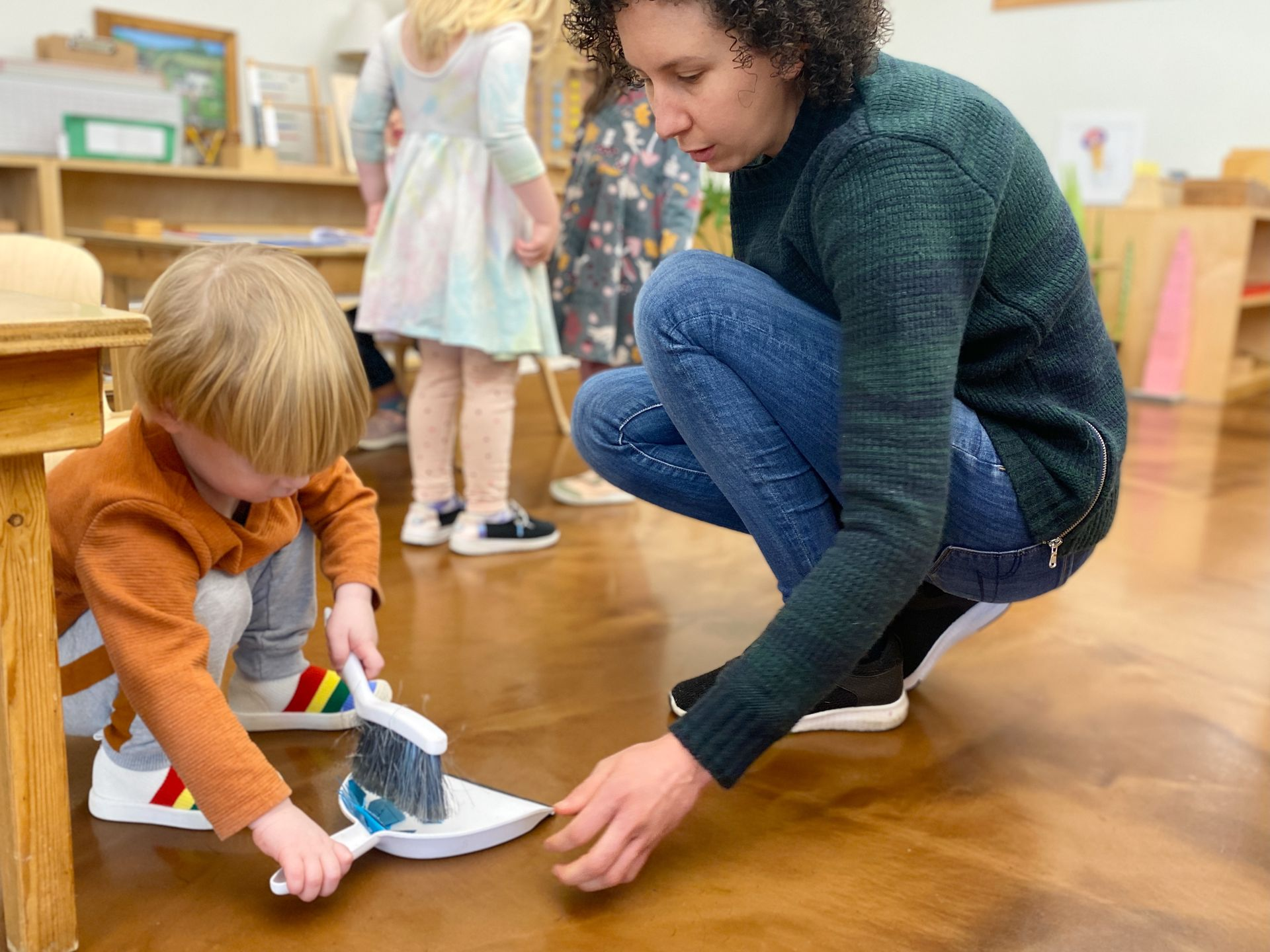
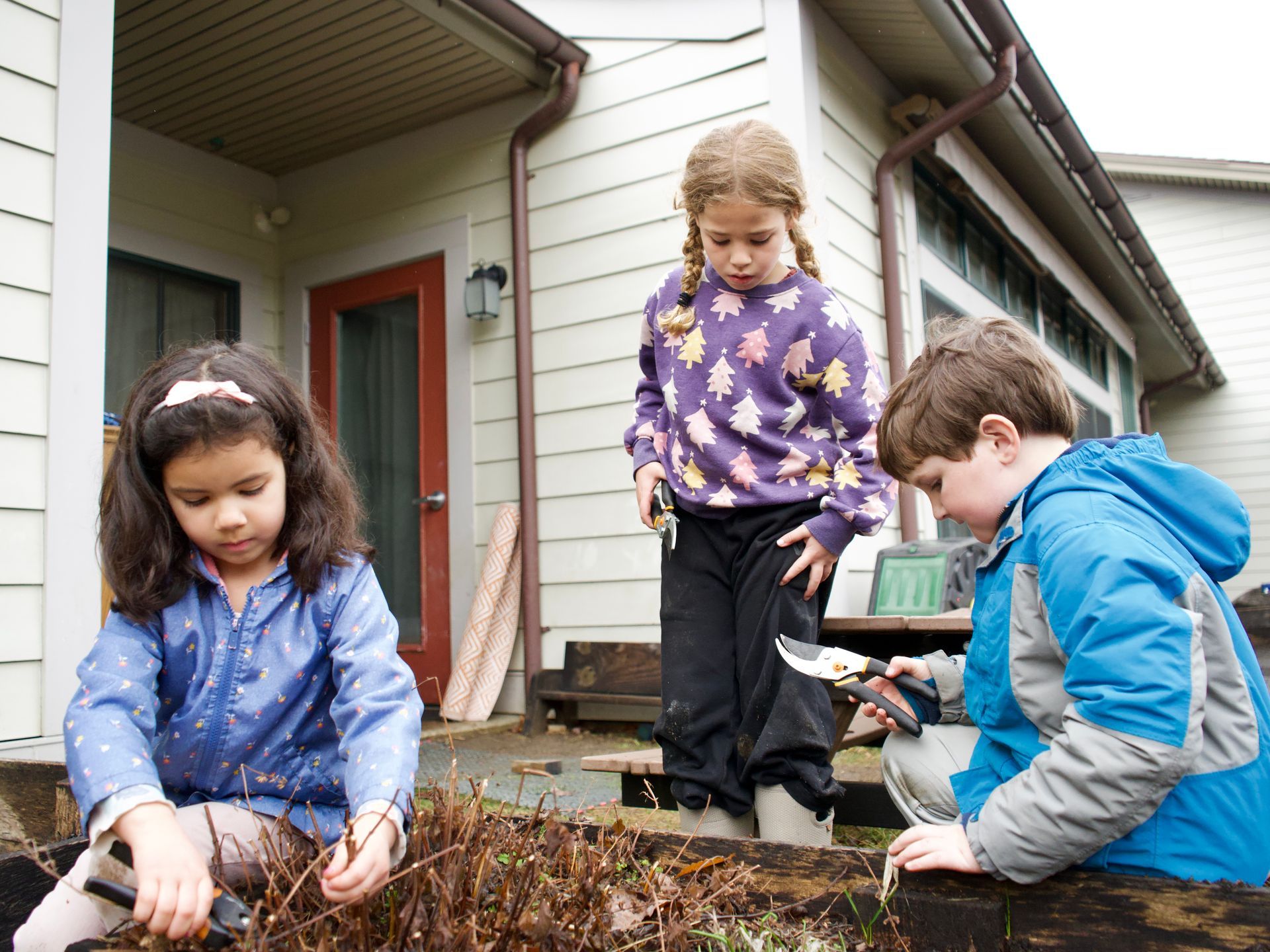
Invite responsibility. Children gain confidence and feel important when they have real contributions at home. Even small tasks, such as helping feed the pet, folding napkins, or assisting a sibling, can help them feel grounded in their role in the family community.
A Practical Montessori-Inspired Strategy
Children thrive when they can predict what will happen next. If phone calls are a recurring challenge, you can prepare your child by practicing in advance.
Choose a calm time to introduce the idea:
- “Sometimes I need to talk on the phone. While I do that, you’ll have a special activity to work on until I’m done. Then I’ll come back to you.”
- Together, decide what that activity could be (a favorite puzzle, coloring book, or quiet game).
- Then practice through role play. Pretend to answer the phone while your child goes to their activity. When the “call” is over, reconnect warmly: “You waited so patiently! Thank you for respecting my phone time.”
During real calls, you can offer gentle physical reassurance (perhaps a quick hug or a touch on the back) without engaging in conversation. This small, wordless connection helps your child feel secure while still learning to wait.
Modeling Respect for Boundaries
Over time, your child learns an important lesson about how love doesn’t disappear when attention shifts. They also learn to respect others’ time and space, an essential social skill that begins in the home environment.
This kind of learning takes repetition and patience. Expect your child to test the limits now and then, especially in the beginning. But each time you calmly follow through, you’re helping your child build emotional independence, self-regulation, and respect for others’ boundaries.
A Gentle Reminder
When we treat our children’s bids for attention as communication rather than interruption, we create opportunities to teach empathy, patience, and mutual respect. These lessons begin with us, through the environment we prepare, the consistency we provide, and the example we set.
Curious to learn more about how we think differently about children’s behavior?
Schedule a visit to our school in Lenox. We love to connect!